


-

Add: HeBei ShengShi HongBang Cellulose Technology CO.,LTD.
-

Email
13180486930@163.com -

CONTACT US
+86 13180486930



Kizuia Jasi Embracing Resilience and Strength In a world fraught with challenges, the concept of Kizuia Jasi emerges as a beacon of hope and resilience. This phrase, derived from theoretical notions in philosophical literature, embodies the essence of overcoming adversity and thriving despite life's uncertainties. Kizuia Jasi can be interpreted as a symbolic journey through pain and healing. It suggests that every scar we carry tells a story— a narrative of struggle, growth, and ultimately, transformation. Each experience of hardship shapes us, offering lessons that fortify our spirit and illuminate the path towards self-discovery. Kizuia Jasi Embracing Resilience and Strength Cultural narratives across the globe highlight the importance of resilience, and Kizuia Jasi aligns closely with these traditions. In many cultures, stories of heroes overcoming adversity serve as metaphors for human tenacity. From ancient mythologies to modern literature, the motif of the underdog triumphing against all odds inspires individuals to confront their fears and stand tall in the face of adversity. These narratives not only entertain but also instill a sense of possibility, reminding us that resilience is a universal human trait. kizuia jasi Moreover, Kizuia Jasi encourages introspection and self-awareness. Understanding our pain allows us to navigate the complexities of our emotions, transforming them into sources of strength. Journaling, therapy, and open dialogues about mental health can facilitate this understanding. By processing our experiences—whether they involve loss, failure, or personal setbacks—we create space for healing. This healing is not linear; rather, it comes in waves, ebbing and flowing as we traverse the landscape of our emotions. In embracing Kizuia Jasi, we also cultivate empathy towards others. Recognizing that everyone bears their own scars fosters compassion and connection. By sharing our stories of resilience, we create a community built on mutual understanding and support. In a society that often celebrates success without acknowledging the struggle behind it, Kizuia Jasi invites us to honor both the triumphs and the trials. As we navigate an increasingly complex world, the principles embodied in Kizuia Jasi remind us that resilience is empowered through community and shared experience. In moments of darkness, it is the bonds we forge with others that illuminate our path forward. We learn, we support, and we rise together. In conclusion, Kizuia Jasi serves as a powerful reminder that within each of us lies the capacity to weather storms and emerge stronger than before. It encourages us to embrace our scars, recognizing them as symbols of our journeys rather than marks of defeat. As we navigate the complexities of our lives, may we carry the spirit of Kizuia Jasi in our hearts— a testament to our resilience, our strength, and our unyielding capacity to rise above adversity. Through this embrace, we allow ourselves not only to survive but to flourish in the face of challenges, turning our pain into powerful narratives of hope and transformation.
- 40000tons

Production
- 20+years

Experience
- 5000+㎡

Acreage

-

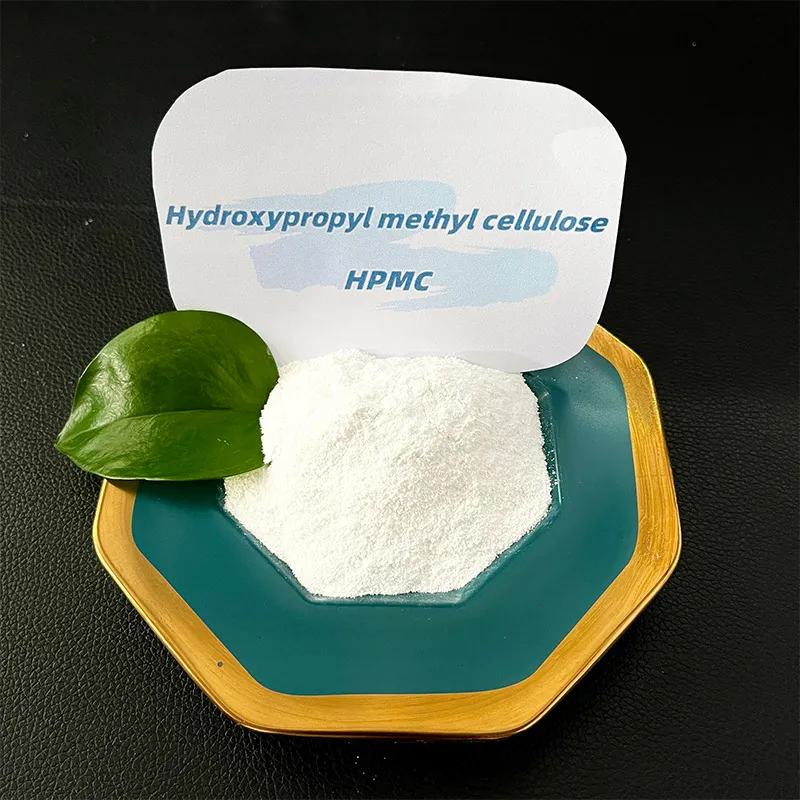
When weighing the benefits of HPMC (Hydroxypropyl Methylcellulose) against HEMC (Hydroxyethyl Methylcellulose), it is essential to delve into both substances' unique characteristics, applications, and roles. My insights are drawn from extensive experience in product formulation and material science. HPMC and HEMC have carved niches in various industries due to their versatile applications. Both are cellulose derivatives, commendably known for their solubility in water, non-toxicity, and biodegradability. However , their varying functionalities make them apt for specific usages. HPMC is widely acclaimed in the construction industry, serving as an excellent thickening agent, adhesive, and binder in cement and mortar applications. Its extensive use is attributed to its ability to improve workability, water retention, and bonding strength. Not only does it stabilize mixture components, but it also significantly reduces sagging in vertical applications. Such proficiency makes HPMC a preferred choice for tile adhesives, plasters, and renders. Conversely, HEMC shines prominently in the paint and coating industry. Its significant attribute is its exceptional thickening efficiency, which leads to improved application properties and ensures uniform film thickness. HEMC's modified etherification process imbues it with unique pseudoplastic and thixotropic properties, which are pivotal in providing superior stability and rheological control in paints. As a result, HEMC prevents sagging and running of paints, ensuring a smooth and even finish. A defining characteristic distinguishing HPMC from HEMC is their thermal gelation temperature. HPMC typically exhibits a higher thermal gelation temperature, which is advantageous in situations demanding hot environment stability. Therefore, for applications requiring film formation upon heating, such as in thermal bonding, HPMC is more suitable due to its consistent performance under elevated temperatures. hpmc vs hemc In pharmaceutical applications, both HPMC and HEMC find their place, though HPMC holds a dominant presence. HPMC is utilized extensively in tablet formulations as a binder, film former, and controlled release agent. Its ability to form strong, flexible films allows for the effective encapsulation of active ingredients, ensuring sustained release. The inert nature of HPMC ensures it does not interact adversely with drugs, preserving their efficacy. While HEMC is not entirely left out of pharmaceutical applications, its use is more circumspect. It finds use where specific pH sensitivity or unique viscoelastic properties are required. Additionally, in personal care products, the lower surface tension imparted by HEMC aids in the formulation of creams and lotions, providing a desirable sensory experience. The exploration of eco-friendly, sustainable solutions puts both HPMC and HEMC at an advantage due to their cellulose backbone. Nonetheless, manufacturers' choice between the two often aligns with the precise needs of the end product. Commercially, HPMC might offer broad-spectrum utility; however, HEMC’s specialization makes it indispensable in niche market segments. In conclusion, the decision between HPMC and HEMC should be informed by the specific application, consumer requirements, and desired outcome. A meticulous evaluation of their properties aligned with industry needs often informs judicious selection. As market demands evolve towards sustainability and performance, both HPMC and HEMC are positioned as integral components across industries, offering unparalleled benefits tailored to their respective roles.
-
The formulation of high-performance cement-based renders and plasters demands precision-engineered additives. Industrial-scale manufacturers increasingly rely on specialized cellulose ethers like MHEC cellulose to achieve critical performance benchmarks. As leading Methocel suppliers expand their technical portfolios, bulk procurement of hydroxy methyl propyl cellulose derivatives becomes strategically vital for render producers. These materials not only enhance fundamental properties like workability and adhesion but also create formulation synergies with complementary products such as hpmc tile adhesive . For wholesalers and large-volume manufacturers, understanding the technical nuances between HPMC cellulose and MHEC cellulose unlocks significant operational advantages across production lines. This article examines how bulk integration of these cellulose ethers transforms render and plaster manufacturing economics. Technical Superiority of MHEC Cellulose in Render Applications MHEC cellulose delivers distinct performance advantages in cementitious render systems compared to standard HPMC cellulose . Its molecular structure provides exceptional water retention capabilities that maintain optimal hydration conditions throughout the curing process. This characteristic proves particularly valuable in large-scale plaster applications where extended open time prevents premature drying and minimizes shrinkage cracks. When sourcing from specialized Methocel suppliers , bulk buyers gain access to MHEC cellulose with enhanced compatibility profiles that outperform conventional hydroxy methyl propyl cellulose in demanding exterior applications. The material demonstrates superior resistance to temperature fluctuations and alkaline environments inherent in cement matrices. Render manufacturers frequently leverage these properties when developing high-performance systems requiring consistent workability under varying climatic conditions. The technical synergy between MHEC cellulose and common hpmc tile adhesive components enables formulators to create unified product lines with shared raw material inventories. Strategic Procurement from Specialized Methocel Suppliers Establishing partnerships with technical-grade Methocel suppliers represents a critical success factor for render manufacturers operating at scale. Reputable suppliers provide comprehensive batch documentation covering essential parameters including viscosity profiles, ash content analysis, and pH stability reports. These certifications ensure consistent performance across production batches – a fundamental requirement for industrial-scale render manufacturing. Progressive Methocel suppliers offer customized substitution levels tailored to specific climatic challenges, enabling formulators to optimize renders for regional application conditions. Container-load logistics solutions facilitate cost-efficient procurement strategies for bulk quantities of both HPMC cellulose and MHEC cellulose . For enterprises manufacturing both hpmc tile adhesive and cement renders, consolidated sourcing through single-source Methocel suppliers significantly streamlines quality assurance protocols. Technical dossiers documenting MHEC cellulose performance in sustainable plaster formulations further assist bulk buyers in meeting evolving environmental standards across global markets. Formulation Synergies Between Renders and Hpmc Tile Adhesives Significant operational efficiencies emerge when manufacturers leverage cellulose ether compatibility across different product categories. The chemical foundation shared between hpmc tile adhesive formulations and cement renders creates natural material synergies. Hydroxy methyl propyl cellulose specified for adhesive production often demonstrates excellent performance in base-coat render applications, particularly where high water retention capabilities are required. The distinctive rheological properties of MHEC cellulose provide valuable sag resistance in both vertical tile installations and thick plaster applications. Bulk procurement managers capitalize on these technical overlaps by negotiating volume-based agreements with Methocel suppliers covering multiple product lines. This integrated approach to HPMC cellulose and MHEC cellulose acquisition reduces testing overhead and simplifies raw material storage logistics. The adaptability of hydroxy methyl propyl cellulose across product categories enables manufacturers to maintain flexible production scheduling while minimizing inventory complexity. Bulk Optimization Strategies for Hpmc Cellulose Ethers Industrial-scale optimization of hydroxy methyl propyl cellulose procurement requires multi-faceted strategic planning. Technical consultation with Methocel suppliers ensures precise grade selection aligned with regional climate challenges and application requirements. Progressive manufacturers implement inventory hybridization strategies that strategically blend HPMC cellulose for interior applications with premium MHEC cellulose for exterior systems. This balanced approach achieves optimal cost-performance ratios across product portfolios. Forward-looking procurement specialists prioritize cellulose ethers with compliance documentation for emerging regulatory frameworks, future-proofing production capabilities. The consolidation of hpmc tile adhesive and render raw material requirements generates substantial economies of scale during transportation and quality verification processes. Technical collaboration with Methocel suppliers facilitates development of customized cellulose ether blends that address specific manufacturing challenges while maintaining batch-to-batch consistency across bulk shipments. FAQs: H pmc Cellulose Ethers in Industrial Construction Materials What distinguishes MHEC cellulose performance from HPMC cellulose in renders? MHEC cellulose demonstrates superior performance stability in high-alkaline cement environments compared to standard HPMC cellulose , providing more consistent water retention and workability maintenance throughout the application window. This difference becomes particularly significant in challenging climatic conditions. Do Methocel suppliers provide technical support for regional formulation challenges? Reputable Methocel suppliers offer comprehensive technical consultation services, recommending specific hydroxy methyl propyl cellulose grades and substitution levels optimized for local temperature ranges, humidity conditions, and application methodologies. How does MHEC cellulose integrate with polymer-modified adhesive formulations? MHEC cellulose demonstrates excellent compatibility with polymer-modified systems commonly used in hpmc tile adhesive , enhancing cohesion properties without interfering with critical setting mechanisms or final bond strength development. What procurement advantages exist for bulk MHEC cellulose acquisition? Leading Methocel suppliers provide dedicated logistics support for container-scale shipments of MHEC cellulose , creating significant economies of scale while ensuring consistent material availability for continuous render production operations. How does hydroxy methyl propyl cellulose selection impact plaster application efficiency? Properly specified hydroxy methyl propyl cellulose significantly extends the workable application window for plasters, enabling larger continuous sections to be finished before setting occurs, thereby optimizing labor utilization on major construction projects.
advantages
-

200000 Viscosities
Excellent product
We can produce pure products up to 200,000 viscosities
-

40000 tons
High yield
We don’t stop production all year round, and the annual output can reach 40,000 tons
-

24 hours
Quality service
We provide 24-hours online reception service, welcome to consult at any time
———— Inquiry Form
Schedule A services

-
 hpmc_selulosa
Oct . 25, 2025
The detergent industry is experiencing a subtle yet significant revolution, and at the forefront of -
 fibre_synthetic_fibre
Oct . 25, 2025
Hydroxypropyl methylcellulose (HPMC) , with a concentration of 0.3%, is becoming an increasingly pop - recron_polypropylene_fibre
Oct . 25, 2025
Raw Materials for Synthetic Fibers An Overview Synthetic fibers have become an integral part of our


